One of the ways in which heavy, aggressive music can mirror our own lives is in its dynamics. The louder the music, the more powerful this effect can be. The dynamics are those contrasts we see in the music and in our internal worlds and in our relationships. Musically, the term really just refers to the variations of loudness between phrases, but in psychology, we use the term dynamics to refer to the interactions between things – between feelings and moods, between people in a relationship. Maybe one of the reasons that heavy music appeals to some people is that the dynamics inherent in the music are a reflection of what’s really going on inside of us.
Most good music has some variation to it. There might be a “clean” part and a distorted part. A slower part that later picks up. A part is simple, but then it gets more complicated. Guitars playing in unison before going their separate ways. Maybe a softer interlude before the guitar solo comes and melts your face off. A slow, plodding breakdown followed by an explosive return to the main riff. Even bands that seem like they have non-stop intensity still have some variation within the songs, or at least within the album they’re on. A dramatic pause, perhaps. Any shift away from the formula of verse-chorus-verse is welcome. If those dynamics weren’t present, the music would just be boring. When there’s some kind of movement to a song, it connects with us.
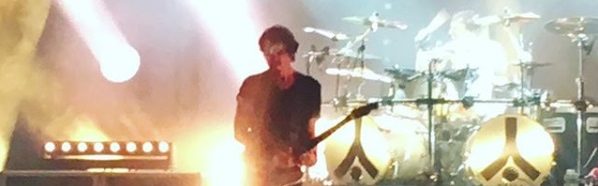
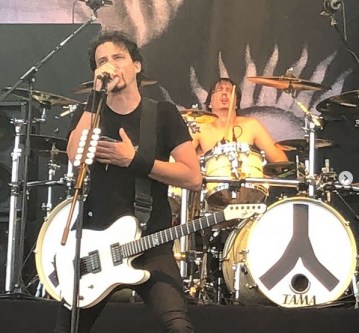 Heavy or aggressive music in particular is great at this. Take, for example Gojira’s The Art of Dying. A relatively simple percussion intro becomes more and more complicated, louder, than simple again. A brief moment of tension occurs before the main riff of the song hits you like a freight train. The brutality surprises you – it’s heavy and it’s unusual. Drummer Mario Duplantier is playing a poly-rhythm, one beat on the snare and another beat altogether with the double kick drum. The tempo again slows somewhat when the vocals come in. Obviously, the song has some powerful, but dark lyrics (some guesses would be that it’s an homage to Aldous Huxley or that it even has some connection to Carl Jung). Toward the end of the song, we get another riff that just keeps going until you’re satisfied. Then an outro. And this kind of interesting songwriting is everywhere in metal and punk. The formulaic styles of the 80s are largely gone as modern metal bands tend to be more progressive than ever before and even punk bands are taking some innovative approaches to song structure.
Some other notable examples of the importance of dynamics:

- The Dillinger Escape Plan – Farewell, Mona Lisa
- Deafheaven – Dream House
- Converge – Dark Horse
- Devin Townsend Project – Deadhead
But what’s the big deal? Why would songs like these (or any others) matter? Well, one theory is that the journey these songs take you is connecting with something inside of you.
The same dynamics that make music interesting are also present in all of our lives. When something “explodes” in our lives, it’s usually an important experience for us, whether it be positive or negative. It might be a period of high stress or anxiety (grades, money, a breakup) or intense joy (a new relationship, having a baby, discovering a new interest), but it’s the fact that it’s different than what came before that makes it interesting and memorable. The fact that the part of Metallica’s One that intensifies with Lars’ double bass (“Darkness imprisoning me…”) gets you amped is because there’s some point of connection in this for you. Your subconscious can make the links that we can’t consciously make. Perhaps you enjoy moments like this because it reminds you of something exciting in your life or a time of significant strength. Becoming powerful, especially when someone has experienced periods of supposed weakness, is a life-affirming experience – just as the music communicates through this shift into the song’s heaviest and fastest part
For others, it’s the opposite. What they might resonate with are those songs or passages that build the tension and then release. When everyday life is insanely stressful for whatever reason, having a period of calm or quiet helps us become attuned to a more positive perspective on things. Sure, you could be enduring something intensely difficult (life circumstances, mental health issues, relationship problems, etc.), but when the music changes from fast/loud/aggressive/heavy to something quiet/soft/less intense, it shows us that there’s at least the possibility that life can change for the better. Even a moment of relief is still something when you’re suffering all day. These can be the really emotional times in a live show. Perhaps a moment when the house lights come up for a moment and you notice all the other people who are experiencing the same range of emotions as you. That dynamic means something to them, and it means something to you, too.
But for some people, especially people who struggle with depression, these dynamics could work in a different way. What if every day feels the same? What if your emotions are generally blunted or flat? Maybe there’s a way to use music to get better attuned to the natural rhythms of life that might help you reconnect with some positive emotions. The music can match our emotional state(s) and validate them, but it can help us to achieve some new, more positive ones. When listening to music, especially when listening to music intentionally, pay attention to the ways in which the song (or the album) helps you meet your needs. Feeling weak and powerless? Find something that “explodes” or builds in intensity over the course of the song. Feeling stuck in a rut? Time to check out some new playlists (Spotify does a great job in suggesting new music to me, at least). Get some recommendations from friends, explore something a little beyond your comfort zone (time for harsh vocals?). Virtuoso musicians can be inspiring, too. They find creative ways to play an instrument or write a song that break away from the formula (check out Animals as Leaders, Dream Theater, BTBAM, Allegaeon, Opeth…). Use your musical choices to do something about the parts of your life that aren’t changing by themselves.

 Metal Health